Some of the most important parts of a modern music system are the ones you never see. Network quality, software, streaming services and system control now influence how effortlessly digital audio fits into everyday life.
A modern audio system can be remarkably discreet.
In some cases, all that is visible is a pair of loudspeakers and one beautifully finished component.
Behind that simplicity may sit an entirely separate digital infrastructure: network connections, streaming accounts, software platforms, firmware and control devices all working together.
When everything is configured well, the listener barely notices any of it.
That is exactly how it should be.
The Network Has Become Part of the Source
Streaming begins before the music reaches the audio component. It begins with the network delivering it.
For many systems, Wi-Fi works perfectly well. In others, a wired Ethernet connection provides greater consistency, particularly where equipment is installed inside cabinetry, far from an access point or within a larger property.
What matters is not whether one technology is theoretically superior.
It is whether the connection is stable where the system actually lives.
A network that performs beautifully in the centre of a living room can behave very differently inside a rack surrounded by joinery, equipment and architectural materials.
This is why good digital system design considers connectivity as part of the installation, not as somebody else’s problem.
Streaming Quality Begins With the Service
The source of the music matters too.
Different streaming platforms—and different subscription levels within them—can provide different formats and resolutions. A sophisticated DAC cannot recreate information that was never delivered to it.
That does not mean every listener needs to become preoccupied with file formats. Quite the opposite.
The objective is simply to make sure the service and settings are appropriate for the system being used.
Once correctly configured, they can disappear from the listening experience.
The music library becomes the interface.
Software Changes the Life of Hardware
One of the most significant changes in modern hi-fi has nothing to do with acoustics.
It is longevity.
A traditional analogue amplifier may remain functionally unchanged for decades. A network streamer exists partly within an ecosystem of apps, services and software standards that continue evolving around it.
That means good product design today involves more than the hardware inside the chassis.
The manufacturer’s ability to support software over time matters too.
Will the product continue to work with changing streaming services?
Does the manufacturer have a history of maintaining older platforms?
Can new functionality be added without replacing the entire component?
These questions are increasingly relevant when choosing a digital source because the ownership experience continues long after the first demonstration.
Updates Should Improve the Experience, Not Interrupt It
Firmware allows manufacturers to refine products after they leave the factory. It can improve stability, introduce features or adapt equipment to changes made elsewhere in the digital ecosystem. But software should serve the system rather than become a source of anxiety.
A well-maintained installation should keep firmware current where appropriate and ensure that the system continues to behave correctly afterwards.
The listener should not need to become an IT department simply because they enjoy streaming music.
The Interface Matters More Than We Admit
Sound quality naturally receives most of the attention in hi-fi.
Daily usability determines how often a system is actually enjoyed.
If playing music requires opening three apps, changing a network setting or borrowing somebody else’s phone, the system has failed in a very ordinary but important way.
The best control platforms make a sophisticated system feel obvious.
Everyone in the home should be able to select music, adjust volume and use the sources relevant to them without needing a lesson each time.
This is particularly important as audio becomes part of larger connected homes.
Music may share the system with television audio, multi-room playback and automation. Each layer can add convenience, but only when the final experience remains clear.
When Stereo Becomes the Television System Too
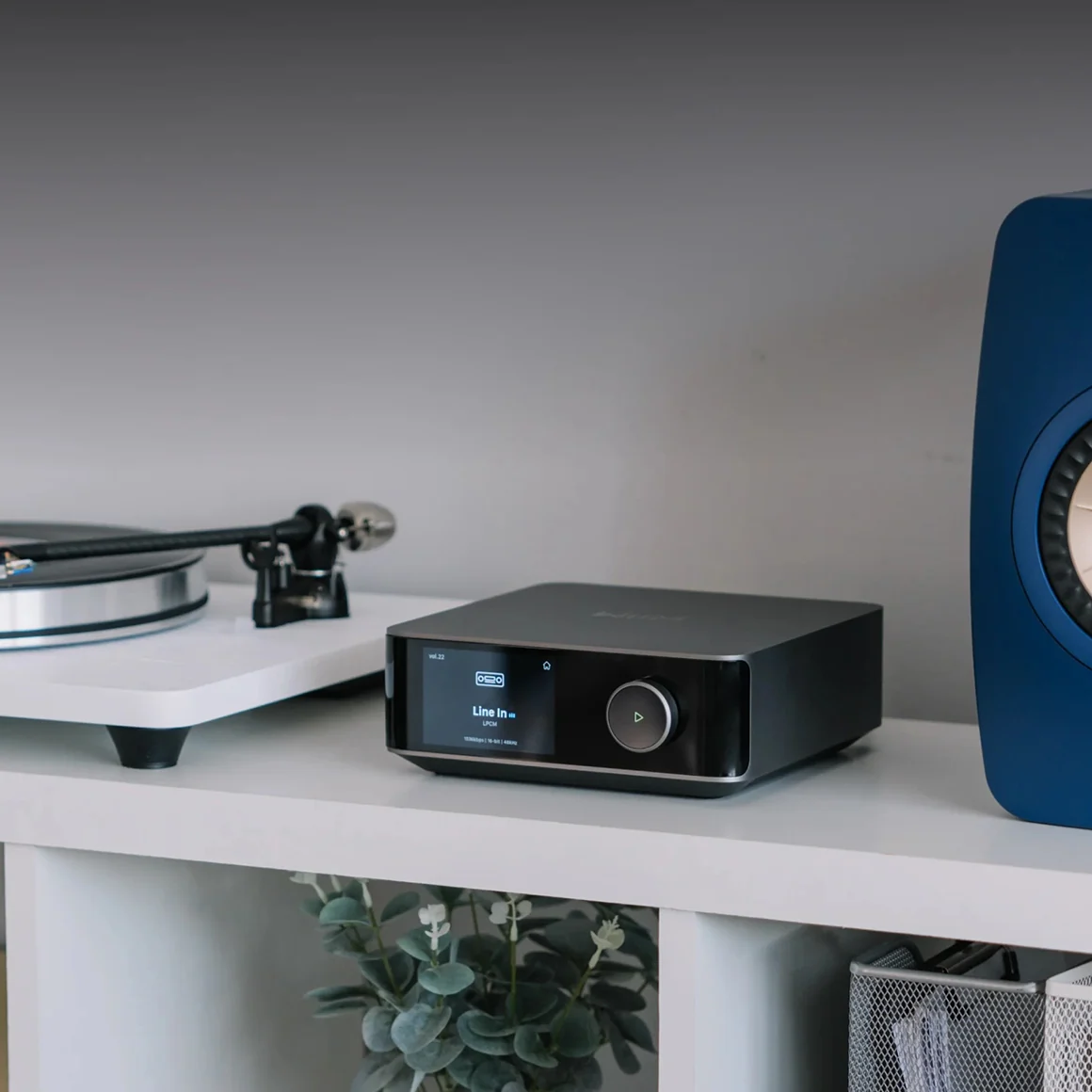
Increasingly, a serious two-channel system also handles television sound. HDMI ARC and eARC have made this far easier, allowing the television to feed audio directly into compatible amplifiers, streamers and active speaker systems.
It is a useful development.
The same system that presents an album beautifully in the evening can make dialogue clearer and a film soundtrack considerably more convincing later on.
It also reflects a broader shift in how people live with audio. The system does not need to sit apart from everyday life in order to be serious. It can simply become the best way to hear everything.
Reliability Is Part of Luxury
Convenience is often spoken about as though it sits opposite performance. The better aspiration is to have both. A sophisticated system should be capable of exceptional sound while asking very little of the person using it.
Music should begin when requested.
The system should remain connected.
The app should recognise the equipment.
Television sound should arrive without ceremony.
The household should not need to understand what is happening behind the scenes.
There may be substantial technology making all of this possible.
Its success is measured partly by how little the listener has to think about it. That may be one of the quieter forms of luxury in modern audio: complexity handled elsewhere. Choose the music. Everything behind it simply works.
Digital Audio at Dubai Audio
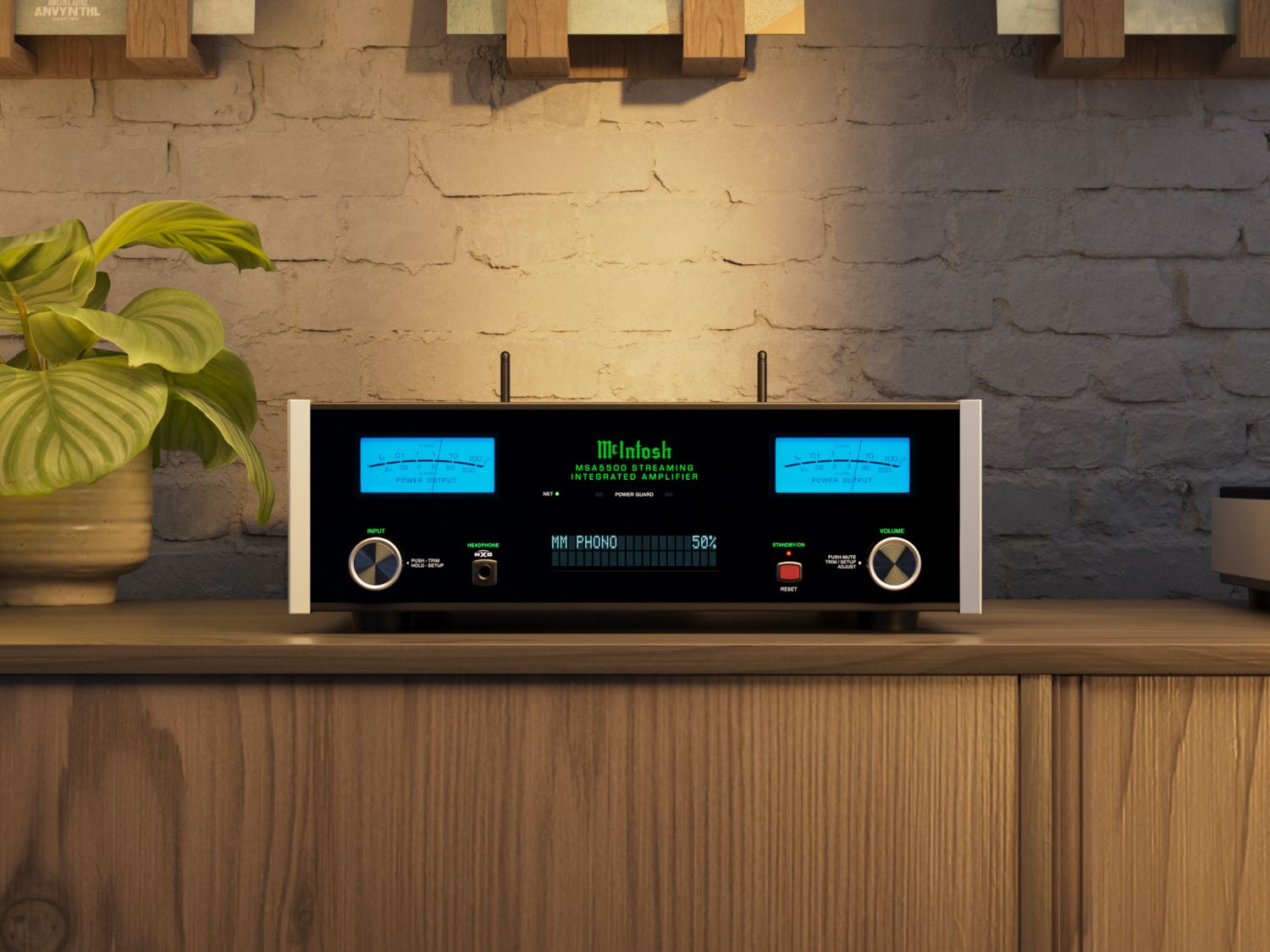
Dubai Audio works with network streamers, integrated streaming amplifiers, active systems and digital sources across a broad range of listening requirements. System setup can include network connectivity, software configuration, streaming services and integration with the wider home, with the aim of making the technology as unobtrusive as the equipment itself.





(1).jpg)
(1).jpg)





