A home theater system is more than an upgrade to your TV's sound. Done right, it transforms movies, music, and games into immersive experiences, bringing the emotion, energy, and scale of cinema into your living space. At Dubai Audio, we believe the real difference between a system that merely plays sound and one that delivers a personal cinema experience is not just in how many speakers you buy—it's in how thoughtfully the system is designed, installed, and tuned for your space.

This guide covers everything you need to know about home theater speaker systems:from understanding configurations like 5.1 vs 7.1 vs Dolby Atmos, to choosing the right setup for your room size, to ensuring placement and calibration deliver the performance you're investing in.
Quick Summary: Which system do you need?
• Small Rooms (under 150 sq ft): Stick to a 2.1 or 3.1 system. A soundbar or stereo pair with a subwoofer avoids overwhelming the space.
• Medium Rooms (150-300 sq ft): The industry standard 5.1 system is ideal here, balancing surround immersion with room acoustics.
• Large Rooms (over 300 sq ft): Go for 7.1 or Dolby Atmos. You will likely need dual subwoofers to prevent bass "dead spots".
Understanding Home Theater Speaker Configurations
When you begin searching for the perfect speaker, you'll encounter numbers like 2.1, 3.1, 5.1, 7.1, and 7.1.4. These aren't model numbers; they're speaker configuration codes that describe how many channels of sound your system can reproduce.
• The first number represents the number of main speakers.
• The ".1" refers to a subwoofer, which handles deep bass (the Low Frequency Effects channel).
• A third number, as in 5.1.2 or 7.1.4, indicates height or overhead speakers used in Dolby Atmos systems.
Comparison: Speaker Configurations
• 2.0 / 2.1 System Best For: Music, Small Rooms Components: 2 Speakers + 1 Sub
Why Choose It? Adds depth & impact to music; massive upgrade from TV sound.
• 3.1 System Best For: TV & Living Rooms Components: Left/Right/Center + 1 Sub
Why Choose It? Center channel clarifies dialogue (60-70% of audio).
• 5.1 System Best For: Movie Nights Components: 5 Speakers + 1 Sub
Why Choose It? The industry standard; true surround sound.
• 7.1 System Best For: Large / Deep Rooms Components: 7 Speakers + 1 Sub
Why Choose It? Adds side surrounds for smoother sound movement.
• Dolby Atmos Best For: Dedicated Cinema Components: Overhead Speakers included
Why Choose It? Adds vertical height effects (rain, helicopters).
Dubai Audio Insight: For music-focused clients in compact spaces, a high-quality 2.1 system often outperforms an entry-level surround setup. Quality over quantity matters.

Best Home Theater Configurations by Room Size
The ideal configuration isn't just about budget, it's about the room itself.
1. Small Rooms (Under 150 sq ft / Under 12' x 12')
Best fit: 2.1 or 3.1 systems. Why: Sound naturally reflects off walls in small spaces, creating ambient effects. Adding too many speakers can "overpower" the room and create clutter.
Placement Strategy: Place main speakers 6–8 feet apart with tweeters at ear level.
Dubai Audio Recommends:
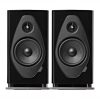
• Bookshelf Speakers: Sonus faber Sonetto Collection or Piega Switzerland for crystal clear detail in tight spaces.
• Design-First Option: Transparent Speakers for a minimalist look that doesn't compromise on sound.
2. Medium Rooms (150–300 sq ft / 12' x 15' to 15' x 20')
Best fit: 5.1 systems. Why: This size offers enough space for proper speaker separation without losing the focused soundstage. It is the sweet spot for traditional surround sound.
Placement Strategy: Position front speakers 8–12 feet apart. Surrounds should be 2–3 feet above ear level, slightly behind the listener.
Dubai Audio Recommends:
• Floorstanding Speakers: Klipsch Reference Premiere for dynamic, theater-quality sound.
• Performance Upgrade: Perlisten R-Series for THX-certified precision.
3. Large Rooms (Over 300 sq ft / Over 15' x 20')
Best fit: 7.1 or Dolby Atmos. Why: Larger volumes of air require more speakers to avoid "dead spots." Dedicated side and rear surrounds ensure the sound travels smoothly across the distance. Placement Strategy: Use wider front speaker separation (10–15 feet). Consider dual subwoofers to balance bass response across all seats.
Dubai Audio Recommends:
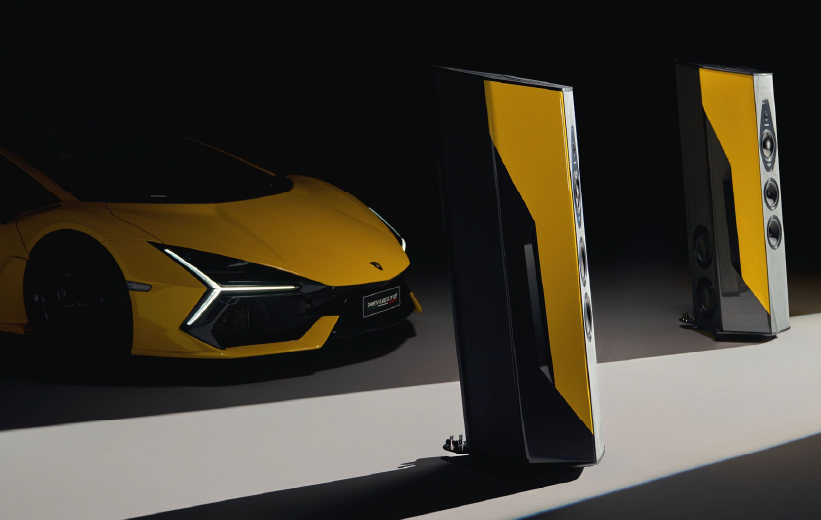
● The Ultimate Cinema: Wilson Audio or McIntosh XR Floorstanding Speakers.
● Power: Drive these systems with the McIntosh MHT300 Home Theater Receiver (7.2 Channel, 8K ready).
Dubai Audio Insight: Our team often recommends calibrating with two subwoofers in larger rooms to smooth out low-frequency response across all seats.
Essential Components & Budgeting
A proper system is a carefully chosen combination of components. When allocating your budget, use this breakdown for maximum performance:
● Speaker System (40-50%): Prioritize the Center Channel (dialogue) and Subwoofer (impact). These do the heavy lifting.
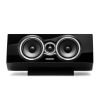
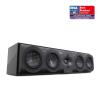
○ Top Pick: SVS Ultra Center Channel or Perlisten S7c.
● AV Receiver (20-30%): The "brain" that powers speakers and processes Dolby/DTS formats.
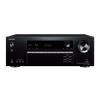
○ Entry: Onkyo TX-NR5100 7.2-Channel Receiver.
○ High-End: McIntosh MC255 5-Channel Amplifier.
● Acoustics & Calibration (10-20%): Panels, rugs, and bass traps are often more effective than buying more expensive speakers.
● Cables (5-10%): Quality cabling preserves signal integrity.
Wired Vs. Wireless: Which Is Better?
• Wired: Offers maximum fidelity and reliability. It allows for precise calibration and zero latency. It remains the gold standard.
• Wireless: Offers cleaner aesthetics and easier setup but can suffer from compression or dropouts.
• Hybrid: A blend, wired front stage with wireless surrounds is practical for finished spaces where running cables is difficult.
Dubai Audio Insight: In our installations, we discreetly route wiring during design or renovation phases, so clients enjoy uncompromising sound without visible cables.

Conclusion: Start With A Solid Foundation
Selecting the right home theater speaker system involves balancing your space constraints, budget, listening preferences, and performance expectations.
Remember: A well-chosen and properly set up 5.1 system will outperform a poorly implemented 7.1 system every time. Start with quality components that suit your current space, then consider upgrades as your needs evolve. Book a Complimentary Home Theater Evaluation Whether you’re upgrading an existing system or planning a new build, our specialists can review your room, assess your components, and recommend improvements tailored to your space.

Frequently Asked Questions (FAQs)
Q: Do I really need a center channel speaker?
A: Yes. The center channel handles roughly 70% of a film's audio, specifically dialogue. Without it, voices can get lost in the music and sound effects.
Q: Can I put a 7.1 system in a small room?
A: It is not recommended. In rooms under 150 sq ft, the extra speakers can clutter the soundstage and create acoustic reflections that muddy the audio. A 2.1 or 3.1 system is often clearer and more impactful.
Q: What is the difference between 5.1 and 7.1? A: A 5.1 system uses two surround speakers behind or to the side of the listener?
A: 7.1 system adds two distinct "side" surround speakers, creating smoother transitions and filling larger rooms (over 300 sq ft) more effectively.









(1).jpg)
(1).jpg)